
You can use the null-coalescing operator (??) to provide a default value for a nullable type or reference type. The null-coalescing operator returns the left-hand operand if it is not […]

Array vs ArrayList in C#
In C#, an Array is a collection of items that are stored in a contiguous block of memory. It is a fixed size, meaning that you must specify the size […]

Top 5 array methods in C# with examples
An array in C# is a collection of variables that are stored together in a contiguous block of memory. Arrays are used to store multiple values in a single object, […]
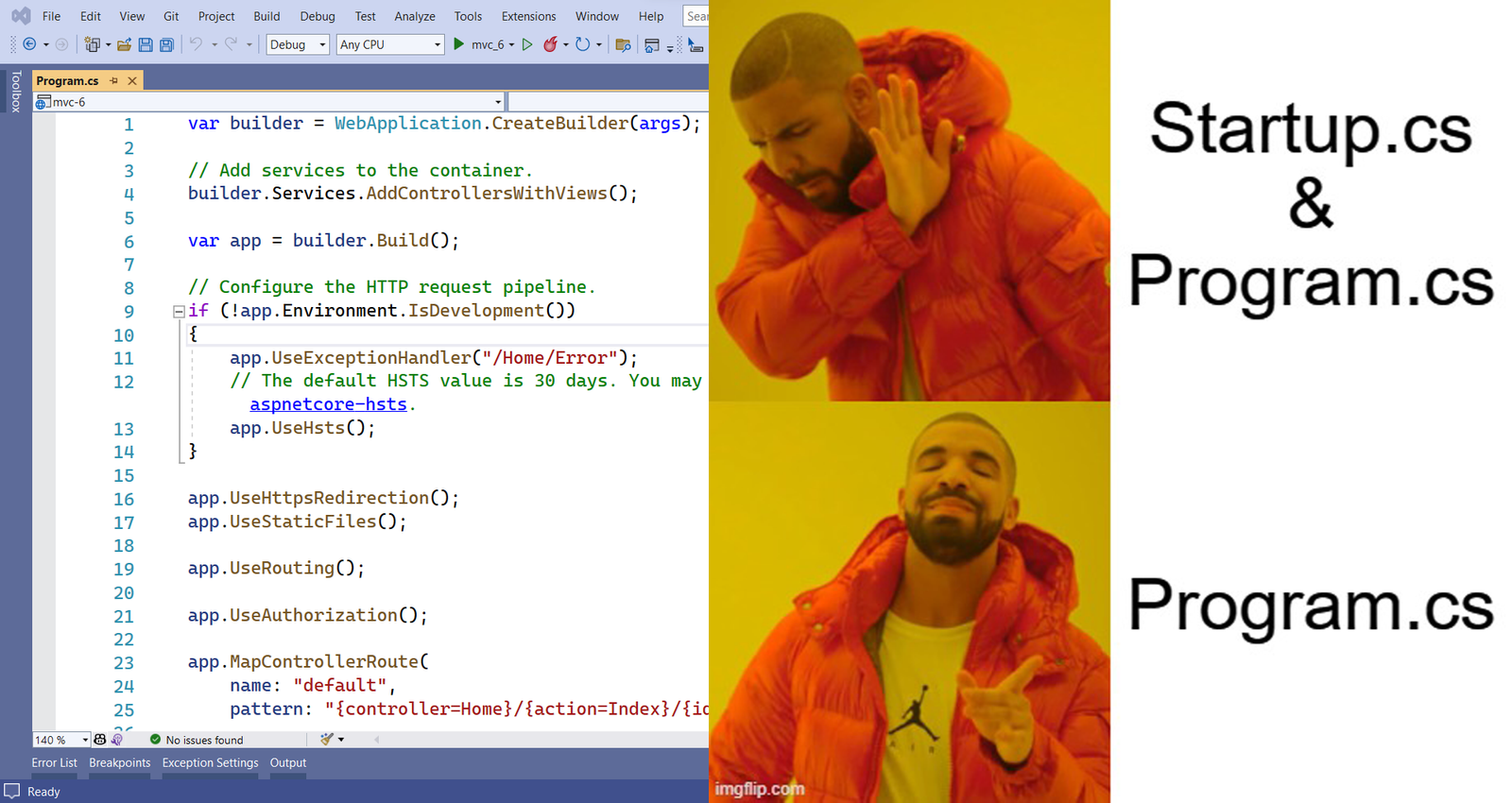
Migrate from ASP.NET Core 5.0 to 6.0
This article explains to update an existing ASP.NET 5 project to ASP.NET 6. I am going to use a fully-functional .NET 5 MVC application to show how you can do it step by step.
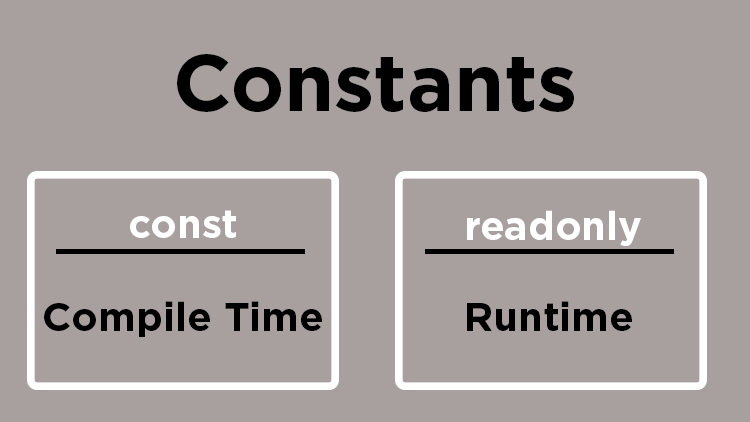
CONST vs READONLY in C#
const and readonly are two very useful keywords in C# that as a .NET developer you might see in any real-world application. When used within the same class, these keywords […]
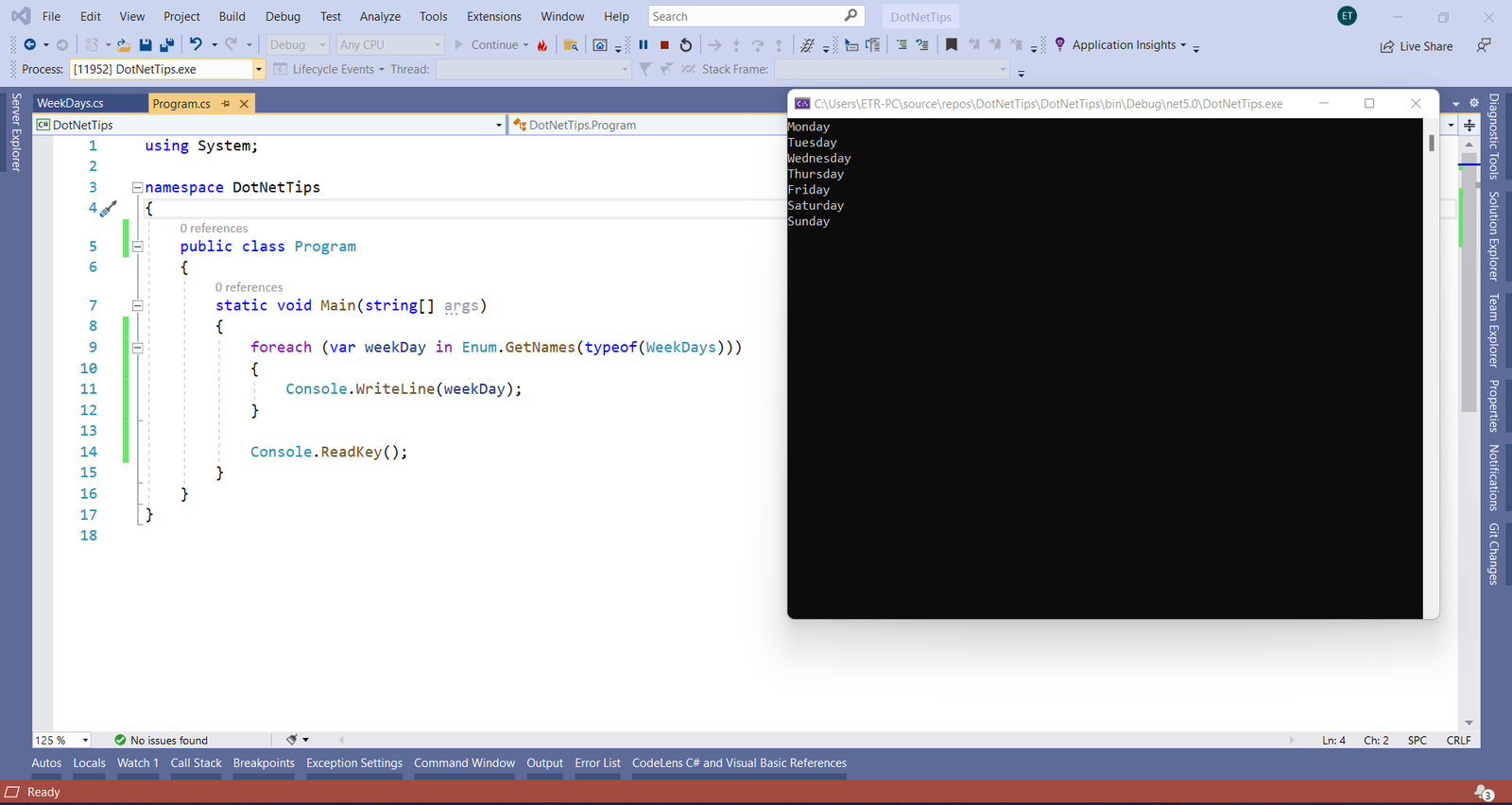
Iterate through an enumeration (Enum) in C#
In the C# language, the enum type (aka enumeration) is a user-defined value type used to represent a list of named integer constants. Enums are really useful when you want to […]
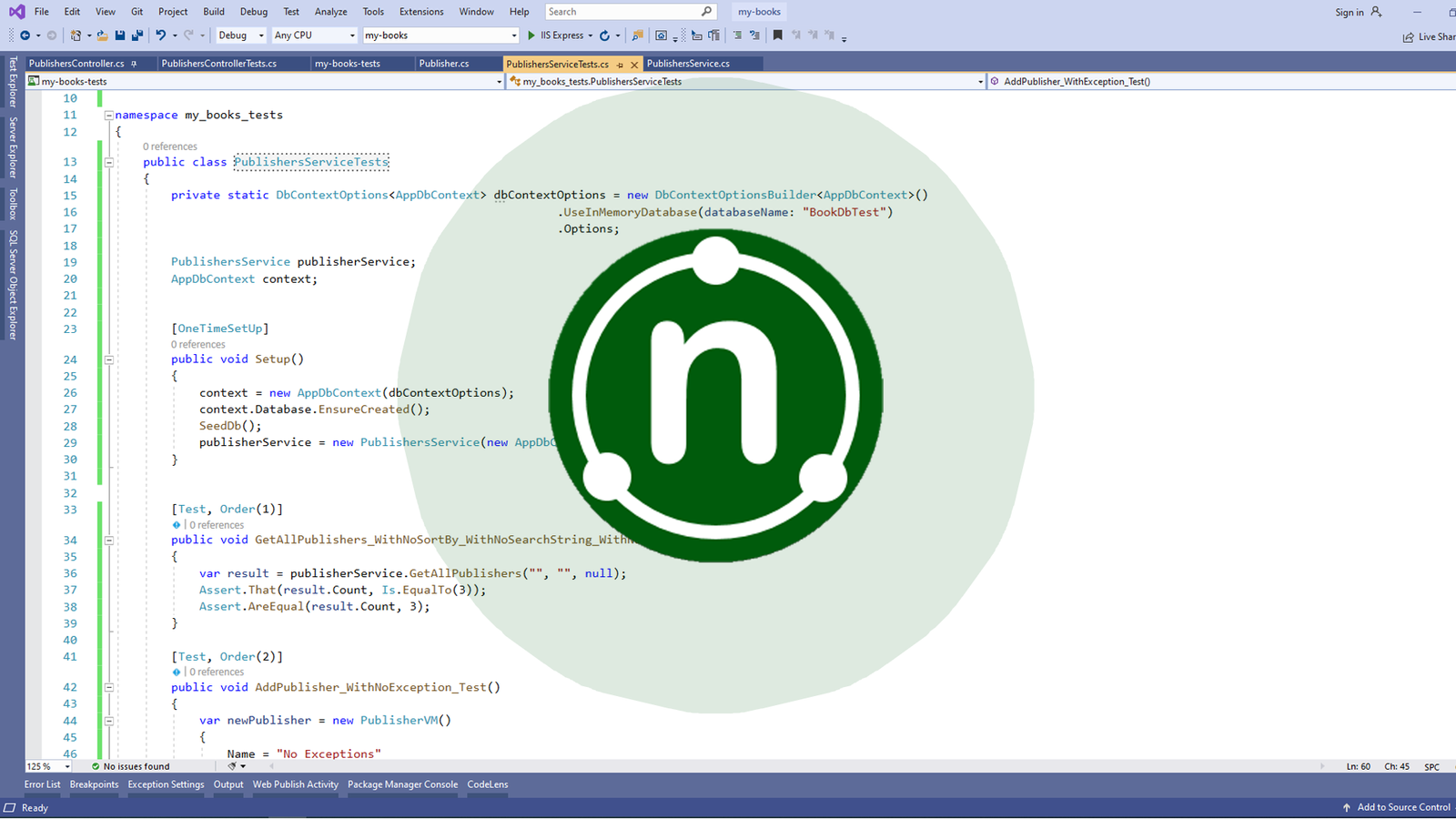
NUnit Testing Framework Guide – That()
nUnit is an open-source unit testing framework for the .NET Framework and Mono. By using nUnit you can test your Services, but also your Controllers, Actions, etc. It was initially […]
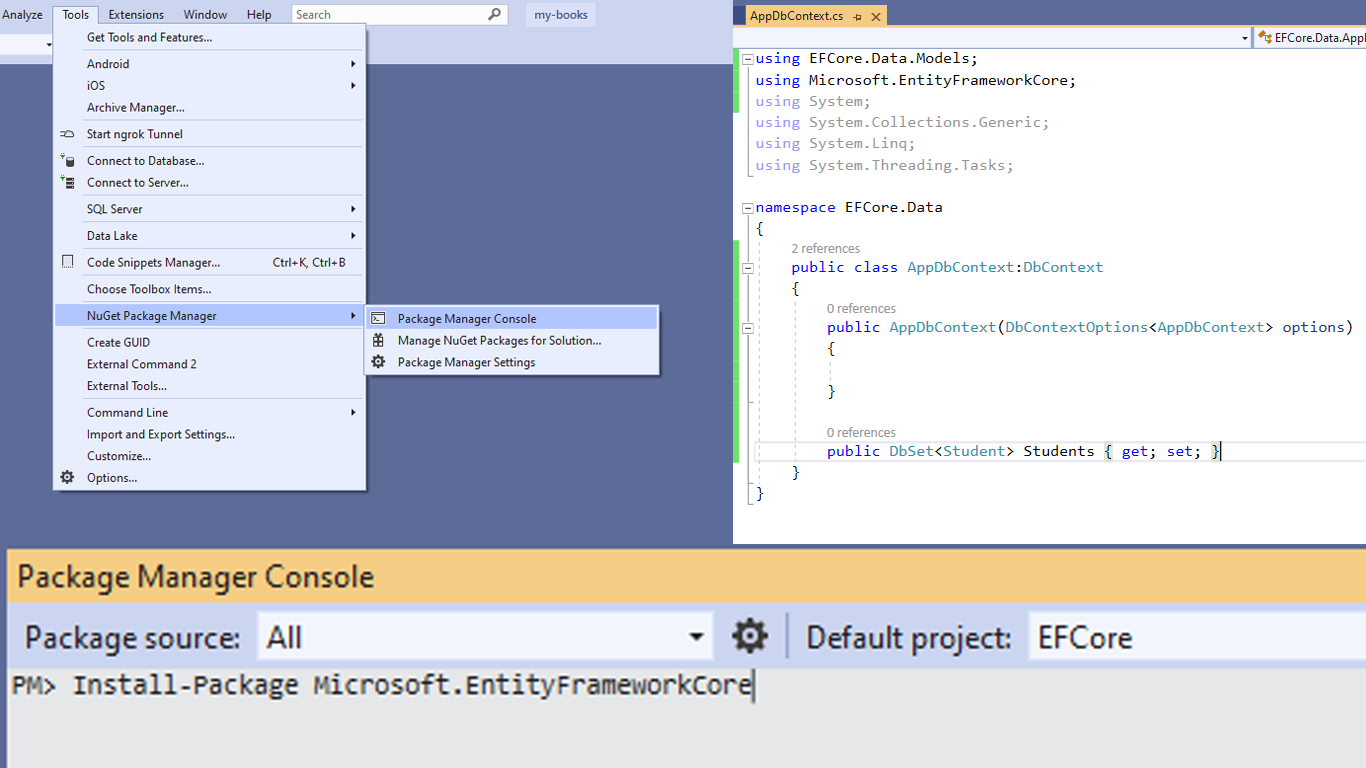
Adding DbContext to .NET Core Web API
What is DBContext? DbContext or the Entity Framework Database Context file is the most important Entity Framework class because this class serves as the translator between the database tables and […]
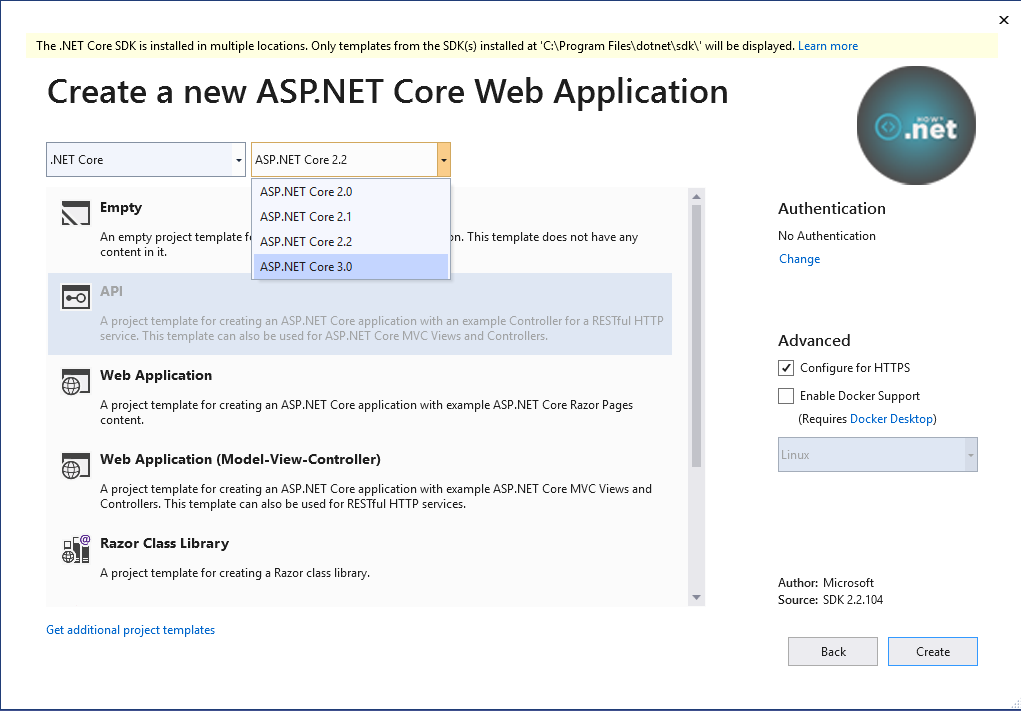
ASP.NET Core 3.0 not showing on Visual Studio 2019
.NET Core 3.0 which is the latest .NET Core version is currently in Preview and can be used with Visual Studio 2019 which is also in Preview. So, after you […]

Error: The antiforgery token could not be decrypted
If you are deploying a .net core application to a hosting provider and you are getting this issue: System.InvalidOperationException: The antiforgery token could not be decrypted. —> System.Security.Cryptography.CryptographicException: The key […]